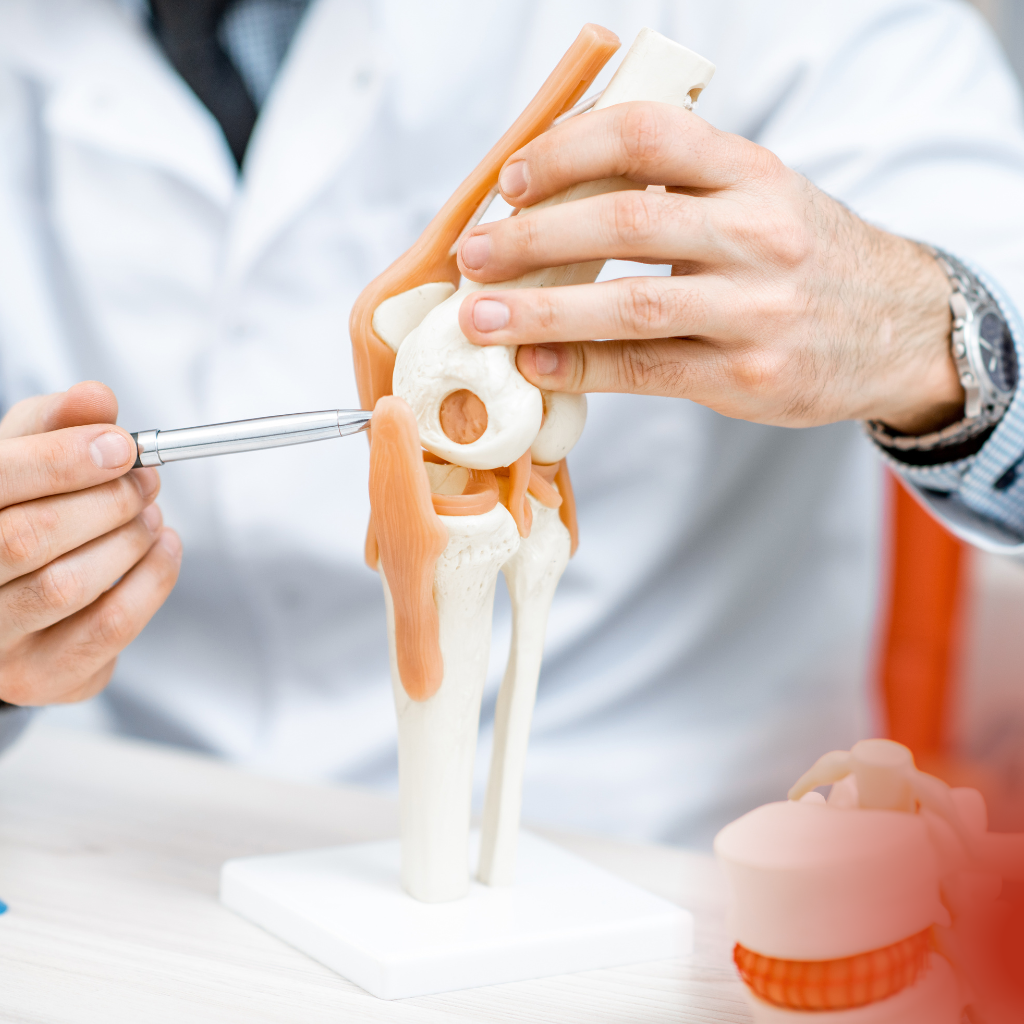


In the Hand Surgery department, patients with problems in the hand, wrist, elbow, and arm are diagnosed and treated. The department addresses various conditions such as fractures, dislocations, tendon injuries, nerve compressions, arthritis, and congenital hand deformities. A multidisciplinary approach is adopted, collaborating with orthopedics, physical therapy, radiology, and other specialties. Personalized treatment plans are developed according to the specific needs of each patient.
Hand surgery is a specialized field focused on diagnosing and treating diseases of the hand and upper extremities. It covers a wide range of conditions involving the hand’s complex anatomy, including muscles, tendons, nerves, blood vessels, and bones. Treatments range from congenital deformities to traumatic injuries and from infections to rheumatic diseases.
What is Hand Surgery?
In the Hand Surgery department, all problems related to the hand and arm regions in adults are diagnosed and treated with emergency or elective surgeries or other surgical methods. Fractures, dislocations, and related complications, such as malunion, nonunion, and joint damage, are also managed. Tumors, open wounds, vascular, nerve, tendon injuries, and tissue loss in the hand and arm regions are treated using microsurgical techniques.
The department also handles nerve compressions, tendinitis, and joint degeneration, often resulting from overuse. These conditions can be treated with same-day surgical procedures. For wrist-related issues, arthroscopic surgery can be applied. In cases of paralysis in the hand and arm, muscle transfers are performed to restore function.
What Conditions Does Hand Surgery Address?
Hand surgery deals with the diagnosis and treatment of various health problems related to the hand, wrist, forearm, elbow, and arm. It encompasses conditions ranging from congenital anomalies to traumatic injuries. Below are some key conditions managed by hand surgery and the respective treatment methods:
Carpal Tunnel Syndrome
Carpal tunnel syndrome occurs when the median nerve in the wrist becomes compressed, causing pain, numbness, and weakness in the hand and wrist. Repetitive movements, such as extensive computer use, can contribute to this condition. Treatments include wrist braces, steroid injections, and, in severe cases, surgery.
Trigger Finger
Trigger finger is a condition where the finger gets stuck or locked while bending. It causes difficulty in movement and pain, and the finger may remain in a bent position. Treatment options include medications, finger splints, and surgery, where the tendon sheath is cut to release the finger.
Congenital Hand Anomalies
Congenital hand anomalies refer to structural abnormalities of the hand present from birth, such as:
- Syndactyly (fused fingers)
- Polydactyly (extra fingers)
- Brachydactyly (short fingers)
- Camptodactyly (bent fingers)
These abnormalities can result from genetic factors, environmental influences, or unknown causes. Treatments include surgery, physical therapy, and rehabilitation programs.
De Quervain’s Tendinitis
This condition manifests as pain and tenderness at the base of the thumb, especially during movement. It is common among individuals who frequently use their thumbs and wrists. Treatments include steroid injections, wrist braces, and surgery to release the tendon sheath.
Ganglion Cysts
Ganglion cysts are fluid-filled sacs that typically form on the wrist or finger joints, causing swelling and pain. Although benign, they can grow and cause discomfort. Treatment options include drainage or surgical removal, with follow-up care required to prevent recurrence.
Traumatic Injuries
Hand surgery also addresses acute injuries such as cuts, fractures, crush injuries, and amputations. Microsurgical techniques are used to repair blood vessels, nerves, and tendons. Replantation (reattaching severed limbs) and revascularization (restoring blood flow) procedures are performed when necessary. Quick and accurate intervention is crucial to preserve hand function.
Rheumatic Diseases
Hand surgery plays a significant role in managing rheumatic diseases like rheumatoid arthritis and osteoarthritis, which cause joint pain, swelling, and deformities. Surgical procedures, including joint replacements and synovectomy (removal of inflamed tissue), are performed to relieve pain and improve function.
Infections
Infections in the hand and wrist are treated through surgical debridement and antibiotics. Infections can develop after injuries or surgical interventions and must be treated promptly to avoid severe complications. Surgical debridement helps remove infected tissue and prevent the spread of infection.
Tumors
Benign and malignant tumors of the hand and wrist are surgically removed to restore function and alleviate pain. Surgical intervention aims to completely remove the tumor and prevent recurrence. Biopsies and imaging techniques are used to determine the nature of the tumor.
Tendon, Nerve, and Vascular Injuries
Injuries to tendons, nerves, or blood vessels can significantly impair hand movement and sensation. Early diagnosis and treatment are critical for successful recovery. Immediate medical attention ensures that hand function is preserved, and appropriate surgical procedures are performed. Physical therapy and rehabilitation programs are essential to restore mobility and daily functionality.
Nail Injuries, Ingrown Nails, and Deformities
Nail injuries, ingrown nails, and deformities can cause discomfort and cosmetic concerns. Ingrown nails occur when the nail edge grows into the surrounding skin, potentially leading to infections. Treatment involves addressing the infection and ensuring proper nail growth. Nail injuries, often caused by trauma, can damage the nail bed, while deformities may result from genetic or traumatic causes and can be corrected through surgery.
Who Performs Hand Surgery?
Hand surgeries are typically performed by orthopedic surgeons or plastic surgeons. Orthopedic surgeons specialize in bone, joint, and muscle issues, while plastic surgeons focus on reconstructive and cosmetic surgeries. These two fields often intersect in hand surgery. Hand surgeons use various surgical techniques to restore both the function and aesthetics of the hand. Procedures like microsurgery, tendon repair, nerve damage treatment, fracture fixation, and correction of congenital deformities fall within the scope of hand surgery.
Some hand surgeons receive specialized training in upper extremity surgery, further deepening their expertise. Physical therapists and hand therapists play a crucial role in post-surgical rehabilitation, helping patients regain full hand functionality and resume daily activities.
Hand surgery is conducted with a multidisciplinary approach due to the hand’s intricate anatomy and complex functions.