
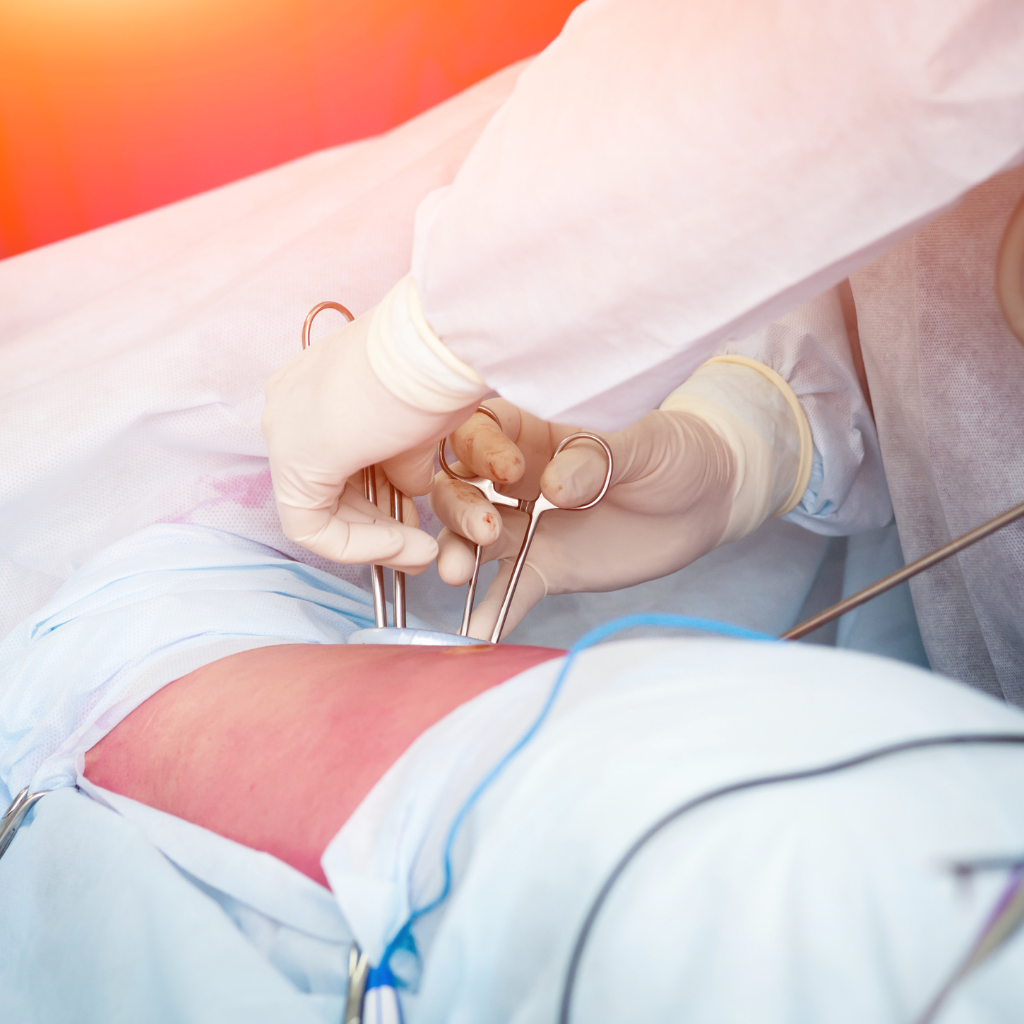

Cancer surgery holds a vital role in cancer treatment. It is crucial that oncological surgery is performed by experienced teams using modern methods in fully equipped hospitals. Oncological surgery centers provide advanced technological infrastructure and innovative surgical options for the imaging, staging, and surgical treatment of all cancers. The surgical treatment of cancer utilizes the most advanced techniques, including minimally invasive (small incision), laparoscopic, and robotic methods.
Oncological surgery centers approach tumor surgery with a multidisciplinary perspective, offering personalized surgical options to each patient following a council evaluation. Services are provided across general surgery, thoracic surgery, gynecological oncology, urology, neurosurgery, head and neck surgery, orthopedic oncology, and breast and oncoplastic surgery, with highly skilled academic staff and extensive experience in patient care.
What is Oncological (Cancer) Surgery?
Oncological surgery involves the removal of cancerous tumors or tissues from the body to eliminate cancer from the affected area. With over 100 years of history, oncological surgery initially began with open procedures. Today, it employs techniques aimed at minimizing incisions for both aesthetic outcomes and quicker recovery. These advanced methods include minimally invasive surgeries, laparoscopic procedures through small openings, and state-of-the-art robotic systems, offering both recovery and comfort for the patient.
What Are the Goals of Oncological Surgery?
In the past 20 years, significant advancements in cancer surgery have enhanced patient comfort and allowed for a quicker return to daily life. The primary goal of oncological surgery is to completely remove the tumor from the body. Proper timing and collaboration with other specialties are essential throughout the treatment process, as surgery is one of the most critical phases of cancer care. Successful outcomes depend on preventing cancer recurrence at the original site and avoiding metastasis to distant organs. Achieving this is known as curative treatment, which is the fundamental and primary goal of cancer surgery.
Personalized treatment options include open surgery, laparoscopic (minimally invasive) techniques, or robotic methods. Effective cancer surgery not only aims to remove cancer cells with precision but also to minimize the patient’s pain, preserve functionality, and promote a speedy recovery.
In Which Types of Cancer is Surgical Oncology Effective?
Cancer surgery is utilized across various medical fields, including:
- General Surgery: Treatment of breast and thyroid cancers, liver tumors, gallbladder and bile duct cancers, pancreatic and gastrointestinal tumors, and cancers of the stomach, colon, rectum, and esophagus.
- Thoracic Surgery: Management of lung and pleural cancers, chest wall tumors, airway and mediastinal tumors, as well as palliative methods for advanced lung and other organ cancers. Interventional procedures and stent placement are also performed for airway tumors.
- Gynecological Oncology: Surgical treatment of cancers affecting the uterus, cervix, ovaries, fallopian tubes, vulva, and vagina.
- Urology: Nerve-sparing laparoscopic and robotic surgeries for prostate cancer, bladder cancer surgeries with new bladder reconstruction, kidney cancer surgeries, kidney-sparing techniques, and treatments for adrenal gland and testicular tumors.
- Neurosurgery: Microsurgical and endoscopic procedures for brain and spinal tumors, including childhood brain tumors and pituitary tumors. Neuromonitoring technology is used to minimize the risk of paralysis during surgeries involving sensitive areas of the brain.
- Head and Neck Surgery: Treatment of tumors in the larynx, pharynx, sinuses, nasal cavity, tonsils, and salivary glands, as well as tumors of the oral cavity, tongue, upper and lower throat, ear, and external auditory canal.
- Orthopedic Oncology: Surgery for bone tumors, metastases to bones from other organs, malignant tumors of the skeletal system, and soft tissue tumors involving muscles, fat, connective tissues, blood vessels, and nerves. Treatment is provided for skeletal tumors in both children and adults.
- Breast and Oncoplastic Surgery: Comprehensive treatment for breast cancer patients, focusing not only on cancer removal but also on addressing post-surgical cosmetic concerns. Oncological and aesthetic principles are combined to offer advanced surgical options, providing comfort and improved quality of life for patients who have experienced breast loss due to cancer.
When Is Cancer Surgery Not an Option?
Cancer surgery has evolved from being a standalone treatment to becoming one of the essential components of a coordinated cancer care process. Technological advancements have made cancer more manageable, both for doctors and patients, resulting in a significant reduction in previously inoperable cases. Surgeries that were once impossible, such as operations involving previously untouchable organs, have become more feasible.
An example is pancreatic cancer surgery, where artificial vascular procedures are performed to address tumors invading nearby blood vessels. Additionally, effective chemotherapy regimens have made it possible to shrink tumors previously deemed inoperable, such as metastatic pancreatic or liver cancers, allowing for surgical intervention.
Although cancer surgery aims to improve quality of life and prolong survival, not all cancers are suitable for surgical treatment. Surgical options are typically limited to solid organ tumors, while blood cancers are treated with non-surgical methods. Furthermore, certain criteria must be met for surgery to be feasible.
In cases where tumors are too large to be removed, where distant metastases impact the patient’s overall health, or when advanced age makes surgery too risky, surgical options may not be recommended. In such situations, non-surgical treatments are used to shrink tumors to make them operable. Post-surgical therapies may also be employed to eliminate any remaining cancer cells and prevent recurrence.
Early Detection and Treatment: Key to Success
For some cancers, such as early-stage stomach cancer, surgery can lead to a complete cure. However, for individuals with advanced-stage pancreatic cancer or those with chronic health conditions, alternative treatment methods may be required. Proper patient selection and the correct sequence of treatment are crucial for successful outcomes.
The effective management of cancer treatment within a dedicated cancer center can significantly improve treatment outcomes and enhance the quality of life for patients.